Powder packaging machines are one of the important pieces of equipment in the packaging industry, specifically used for packaging various powder and dust-like materials. As industries continue to develop, the applications of powder packaging machines are becoming increasingly widespread. Today, we will introduce the common application areas of powder packaging machines and the types of materials they are suitable for.
First, the food industry is one of the most extensive application areas for powder packaging machines. Many powdered foods we encounter in daily life are packaged using powder packaging machines. For example, flour, starch, milk powder, coffee powder, cocoa powder, seasoning powder, meal replacement powder, and grain powder all fall under food-grade powder materials. The food industry has high packaging requirements—not only must the packaging be highly accurate, but it must also meet food safety standards, offer good sealing performance, and protect against moisture and oxidation to extend the shelf life of food. Powder packaging machines can well meet these requirements and are therefore widely used in the food industry.
Second, the pharmaceutical industry is also an important application area for powder packaging machines. Many medicines are in powder form, such as Chinese herbal powder, Western medicine powder, powdered medicines, and health supplement powders. The pharmaceutical industry has even stricter packaging requirements—high precision is necessary, and GMP standards must be met to ensure the hygiene and safety of medicines. Moreover, pharmaceutical dosages are usually quite small, demanding even higher packaging accuracy. Specialized pharmaceutical-grade powder packaging machines are made of food-grade stainless steel with structural designs that facilitate cleaning and disinfection, fully meeting pharmaceutical industry requirements, and are therefore very commonly used in this sector.
Third, the chemical industry also uses powder packaging machines on a large scale. The types of powder materials in the chemical industry are numerous, including laundry detergent powder, cleaning agents, dyes, pigments, coating powders, chemical raw materials, and additives. Some of these chemical powders are corrosive, some easily absorb moisture, and some are harmful to the human body, each imposing different requirements on packaging equipment. Powder packaging machines can adopt different materials and configurations based on the characteristics of different chemical materials—such as anti-corrosive materials, dust prevention devices, and anti-leakage devices—to meet the packaging needs of various chemical products.
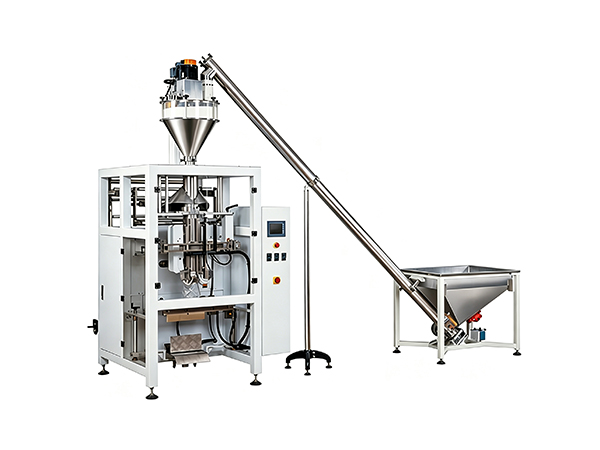
Fourth, the building materials industry is also a major user of powder packaging machines. Building material powders such as cement, lime powder, gypsum powder, putty powder, tile adhesive, and thermal insulation mortar all need to be packaged using powder packaging machines. Building material powders generally have large production volumes and considerable weight, typically packaged in large bags—such as 25 kg or 50 kg per bag. Therefore, powder packaging machines used in the building materials industry are mostly high-dose machines with fast packaging speeds and strong load-bearing capacity, capable of meeting the needs of large-scale production in the building materials industry.
Fifth, the agricultural and feed industry also uses powder packaging machines. For example, feed additives, veterinary powder, fertilizers, and pesticide powders all fall under powder materials in the agricultural and feed sectors. Some of these materials are corrosive, some are moderately toxic, and they impose relatively high requirements on packaging sealing and safety. Powder packaging machines can be designed specifically based on the characteristics of these materials to ensure safe and reliable packaging.
In addition to the above industries, powder packaging machines are also used in many other sectors such as daily chemicals, mining, and food additives. It can be said that wherever powder-form materials need packaging, powder packaging machines can basically be applied.
So, what specific materials are powder packaging machines suitable for? Generally speaking, any powder, dust, or ultra-fine powder material with a certain degree of fluidity can be packaged using a powder packaging machine. However, different types of powder packaging machines need to be selected based on the different characteristics of the materials.
For example, for powders with good fluidity, such as flour and powdered sugar, a standard auger-type powder packaging machine can handle packaging well. For powders with poor fluidity that are prone to caking, or for ultra-fine powders, a powder packaging machine equipped with a stirring device is needed to prevent material arching and caking, ensuring smooth discharging. For ultra-fine powders that are prone to dusting, dust removal devices are also needed to reduce dust pollution.
In addition, different specifications of powder packaging machines should be selected based on the weight of the material. For small doses, such as a few grams to a few tens of grams—like seasoning powder and medicinal powder—a small-dose powder packaging machine can be selected. For medium doses, such as a few hundred grams to a few kilograms—like milk powder and flour—a medium-dose machine is suitable. For large doses, such as more than ten kilograms to several tens of kilograms—like cement and putty powder—a large-dose powder packaging machine should be selected.

Room 305, Building 1, Jieshang Mansion, No. 63 Zhongli Road, Nancheng Subdistrict, Dongguan City


 CH
CH