Palletizers are important automation equipment in logistics, warehousing, manufacturing, and other industries, undertaking large volumes of palletizing work every day. To keep palletizers running smoothly, reduce failures, and extend their service life, regular maintenance is essential. Today, let's introduce the key points of daily maintenance for palletizers.
First, cleaning should not be overlooked. During operation, palletizers accumulate dust, oil stains, and material residue. If not cleaned promptly, these not only affect the equipment's appearance but may also enter internal moving parts, accelerating wear and even causing failures. After each workday, the equipment should be thoroughly cleaned—particularly the guide rails, gears, chains, sensors, and other components. When cleaning, use a soft cloth and appropriate cleaning agents; do not use hard objects to scrape, and avoid highly corrosive cleaners, so as not to damage the equipment surface and components.
Second, regularly inspect fasteners. During operation, vibrations can cause screws, nuts, and other fasteners to loosen over time. If not checked promptly, loose fasteners may lead to equipment failure or even safety accidents. Inspect all fasteners on the equipment at least once a week, especially the screws on the motor, reducer, palletizing mechanism, and columns. If any loosening is found, tighten them promptly. For fasteners on some key components, also regularly check for rust or deformation, and replace them promptly if issues are found.
Third, lubrication maintenance must be done properly. There are many moving parts on a palletizer—such as bearings, gears, chains, guide rails, and cylinders—all of which require good lubrication to reduce friction and extend service life. Add lubricating oil or grease to each lubrication point regularly according to the equipment instruction manual. Different components require different grades of lubricating oil; do not use the wrong type. When adding oil, use an appropriate amount—more is not always better, as too much can attract dust or cause oil leakage. Also be careful not to let lubricating oil drip onto products or packaging materials.
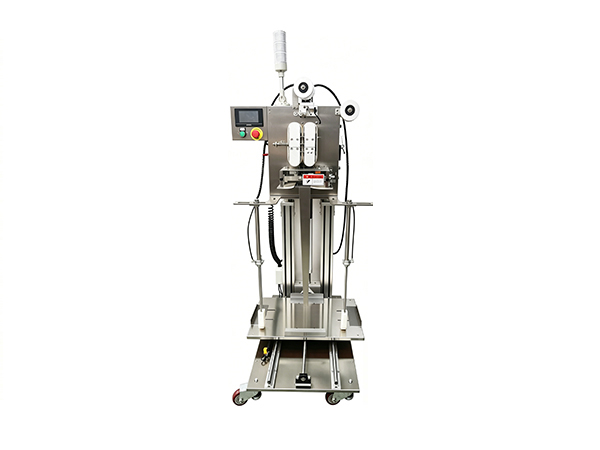
Fourth, inspect the condition of worn parts. Palletizers have some consumable parts, such as suction cups, grippers, belts, chains, and sealing rings, which wear out or age over time and affect the normal operation of the equipment. Regularly inspect the wear condition of these consumable parts, and replace them promptly if they are severely worn or aged. Do not wait until they are completely broken before replacing them—that can not only affect production but may also damage other components. It is a good idea to keep some commonly used consumable parts in stock for immediate replacement.
Fifth, electrical system maintenance should also be given due attention. Many people only focus on mechanical maintenance but neglect the electrical system. In fact, electrical system maintenance is equally important. Keep the electrical cabinet clean and dry, and prevent dust and water from entering. Regularly check whether the wiring terminals inside the electrical cabinet are loose, whether wires are damaged, and whether the contacts of contactors and relays are burned or corroded. In particular, sensors and limit switches are easily blocked by dust or knocked by materials, affecting their sensitivity—they should be cleaned and inspected frequently. Electrical system maintenance must always be performed with the power disconnected, and safety precautions must be observed.
The technical staff at Dongguan Changsheng Packaging Machinery Co., Ltd. reminds everyone that in addition to the above, safety devices such as emergency stop buttons, safety guards, and photoelectric protections should be regularly inspected to ensure they are all functioning properly and to prevent safety accidents.
In summary, daily maintenance of palletizers is not complicated—the key is care and consistency. As long as maintenance is carried out regularly according to the manufacturer's requirements, the equipment will remain in good condition, with fewer failures, improved work efficiency, and a longer service life, creating more value for the enterprise.

Room 305, Building 1, Jieshang Mansion, No. 63 Zhongli Road, Nancheng Subdistrict, Dongguan City


 CH
CH