In logistics, warehousing, manufacturing, and other industries, palletizers (also called palletizing machines) are very important automation equipment. They can automatically stack bagged, boxed, or barreled goods onto pallets, greatly improving palletizing efficiency and reducing workers' labor intensity. However, many people are unsure how to choose when faced with various types of palletizers. Today, let's introduce the common types of palletizers and how to select the right one.
Classified by structural form, palletizers mainly come in several common types: gantry type, robotic arm type, and rotary type.
A gantry palletizer, also called a frame-type palletizer, is a relatively traditional design. It features a gantry frame structure, and the palletizing head can move forward, backward, left, and right along the frame to stack goods onto the pallet. This type of palletizer has a simple structure, relatively lower price, and is easy to maintain. It is suitable for regularly shaped goods, such as boxes and bags. Moreover, it has strong load capacity and can handle relatively heavy goods. However, its flexibility is relatively limited, and the palletizing patterns are relatively singular.
A robotic arm palletizer, also known as a robot palletizer, is a type that is becoming increasingly popular. It uses an industrial robot arm that can stack goods flexibly from multiple angles and directions. This type of palletizer offers very high flexibility and can adapt to various goods and stacking patterns—when changing products, only the program needs to be adjusted, which is very convenient. Additionally, it has a relatively small footprint and flexible layout. However, its price is relatively higher, and its load capacity is generally not as strong as the gantry type, making it suitable for stacking medium and small-weight goods.
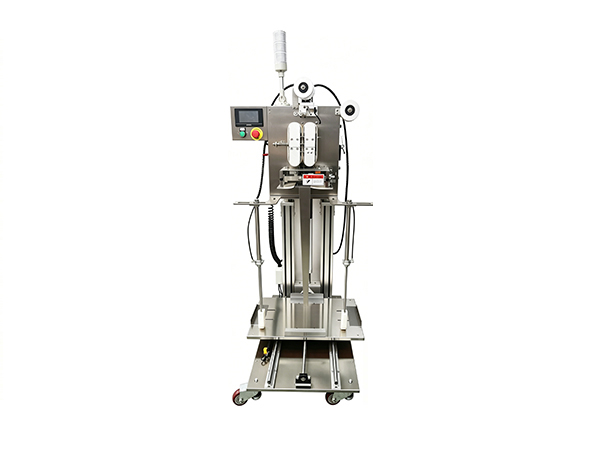
A rotary palletizer, also called a turntable palletizer, is mainly used for stacking bagged materials. It has a rotating platform that completes palletizing through rotation and lifting. This type of palletizer is very fast with high palletizing efficiency, suitable for high-volume, single-variety bagged products such as fertilizer, cement, and grain. However, its applicable range is relatively narrow—it is mainly suited for bagged goods and not very suitable for boxed or other forms of goods.
In addition to these types, there are some other types such as coordinate palletizers and servo palletizers, but they are used relatively less frequently.
So, how do you choose the palletizer that suits you? First, consider your product type. For boxed products with high flexibility requirements and a wide variety of product types, a robotic arm type is more suitable. For bagged products with high volume and single variety, a rotary type is more efficient. For heavy goods with a limited budget and relatively regular products, a gantry type offers better cost-effectiveness.
Second, consider your production volume requirements. Different types of palletizers have different speeds. Choose equipment with a speed that suits your production volume—it should not be too slow to meet production needs, nor too fast, which would result in waste.
Third, consider the available space at your site. Different palletizers have different footprints and different requirements for ceiling height. Choose equipment of the appropriate size based on the actual conditions of your workshop.
Fourth, consider your budget. Different types of palletizers vary greatly in price. Choose the most suitable equipment within your budget. Of course, price should not be the only consideration—factors such as equipment quality, stability, and after-sales service should also be taken into account.
Finally, consider the manufacturer's strength and after-sales service. Palletizers are relatively complex equipment, and regular maintenance is important. Choose a manufacturer with strong technical capabilities and good after-sales service, so that any equipment issues can be resolved promptly and production will not be delayed.

Room 305, Building 1, Jieshang Mansion, No. 63 Zhongli Road, Nancheng Subdistrict, Dongguan City


 CH
CH